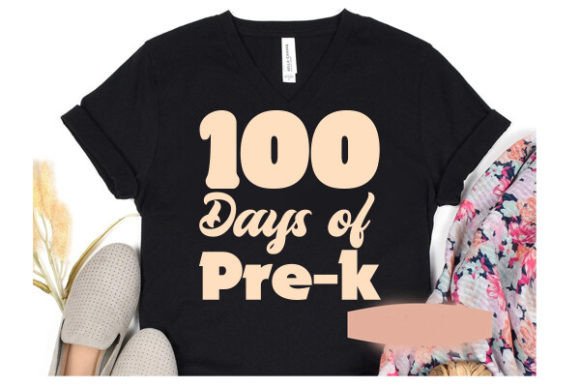
Reviewing the 100 Days of School T-Shirt Design
As an embroidery designer who has spent years digitizing patterns and testing them on everything from flimsy rayon to heavy denim, I approach every new machine embroidery design with a mix of curiosity and caution. We all know that what looks crisp on a computer screen does not always translate perfectly to thread and fabric. Recently, I evaluated the 100 Days of School T-Shirt graphic to determine its viability for real-world stitching projects. This is not just about aesthetics; it is about functionality, durability, and the final impression left on the customer.
The initial visual impact of this design is cheerful and celebratory, which is exactly what you want for a milestone event in early education. The layout typically features bold numerals and playful typography, creating a focal point that screams "achievement." For those of us running a craft business or selling as an Etsy seller, the mood of the design is crucial. It needs to feel festive without being chaotic. In my assessment, the 100 Days of School T-Shirt concept strikes a balance between fun and legibility, provided the digitizer has paid attention to spacing and stitch paths.
Real-World Application: Beyond the Basic Tee
While the title suggests this is strictly for apparel, experienced makers know that versatility increases profit margins. I tested the concept by imagining it applied to various substrates. Naturally, it works well on a standard cotton t-shirt, but where it truly shines is on slightly heavier fabrics like sweatshirts or tote bags. A sweatshirt embroidery project using this design allows for larger hoop sizes, giving the letters room to breathe and reducing the risk of puckering.
Consider the personalized gift market. Grandparents love commemorating these school milestones. If you are creating a custom apparel line for local schools, this design could be adapted for caps or even backpacks. However, when moving away from flat surfaces, you must consider the curvature. Stitching on a cap requires careful hooping and potentially breaking the design into smaller sections if the original file is too wide. For a tote bag design, the sturdy canvas provides an excellent base for higher stitch density, ensuring the text remains readable after repeated use and washing.
Evaluating Stitch Quality and Density
The success of any embroidery project hinges on the technical execution. When reviewing the 100 Days of School T-Shirt as a potential digital embroidery file, I look closely at how the elements are constructed. Are the numbers filled with a solid fill stitch, or do they rely on satin stitch borders? Satin stitches offer a shiny, premium look but can snag easily if too wide. Fill stitches are more durable but can look bulky on thin fabrics.
If the design includes small decorative elements, such as stars or apples, check if they are rendered with running stitch outlines or detailed fills. Tiny details often get lost in the fabric texture if the stitch count is too low or the thread color lacks contrast. For a baby embroidery item, such as a onesie, you want to avoid overly dense areas that might irritate sensitive skin. In such cases, an applique design version would be superior, allowing you to use fabric patches for the main shapes and only stitch the outlines, reducing bulk significantly.
Fabric Considerations and Stabilizer Choice
One common mistake beginners make is ignoring the relationship between the design and the fabric texture. The 100 Days of School T-Shirt graphic likely contains bold lines that require stability. If you are stitching on a stretchy jersey knit, a cut-away stabilizer is non-negotiable. Without it, the weight of the threads will pull the fabric, distorting the numbers and ruining the professional look of your finished product.
For darker fabrics, pay close attention to thread colors. High contrast is essential for readability. A navy blue shirt needs bright white or yellow thread to make the "100" pop. Conversely, on light-colored garments, you have more freedom, but ensure the underlay stitches are sufficient to prevent the fabric color from showing through the top stitches. Always test the design on scrap fabric first. This simple step saves hours of frustration and prevents wasted materials, especially when producing batch orders for a small shop product launch.
Commercial Viability and Brand Consistency
For commercial embroidery professionals, consistency is key. If you are offering this as part of a seasonal collection, ensure the style matches your other design assets. Does the font choice align with your brand’s personality? Is it playful yet polished? Customers trust brands that present a cohesive visual identity. A sloppy stitch-out can damage that trust instantly.
Moreover, consider the licensing terms. The description mentions usage for posters, banners, and social network posts, which implies a focus on Graphics and print. However, if you intend to use this as a machine embroidery design, you must confirm that the file format is compatible with your machine and that the license permits physical production for sale. Many digital files are sold for print-on-demand services like Teespring, which is different from selling handmade embroidered goods. Always clarify whether you are buying a vector graphic for printing or an embroidery file for stitching. Using a print-ready graphic for embroidery without proper digitizing will result in poor quality.
Practical Tips for Best Results
To get the most out of the 100 Days of School T-Shirt concept, follow these practical steps:
- Check Hoop Size: Ensure the design fits within your available hoop dimensions without excessive resizing, which can distort stitch angles.
- Test Thread Contrast: Use a color chart to select threads that stand out against your chosen fabric background.
- Inspect Small Details: Zoom in on the digital preview to see if tiny elements are feasible to stitch or if they will become tangled knots.
- Use Proper Stabilizer: Match the stabilizer type to the fabric weight and stretchiness.
- Verify Licensing: Confirm if the purchase allows for commercial use of physical embroidered items, not just digital prints.
In conclusion, the 100 Days of School T-Shirt design holds significant potential for spring semester sales. Whether you are creating an embroidered patch for a jacket or a full-front design on a hoodie, the key lies in technical preparation. By understanding the interplay between stitch density, fabric choice, and stabilizer support, you can transform a simple graphic into a high-value handmade product. Keep your expectations realistic, test thoroughly, and let the quality of your stitching speak for itself. This approach not only satisfies customers but also builds a reputation for excellence in your creative enterprise.